What is Activated Carbon?
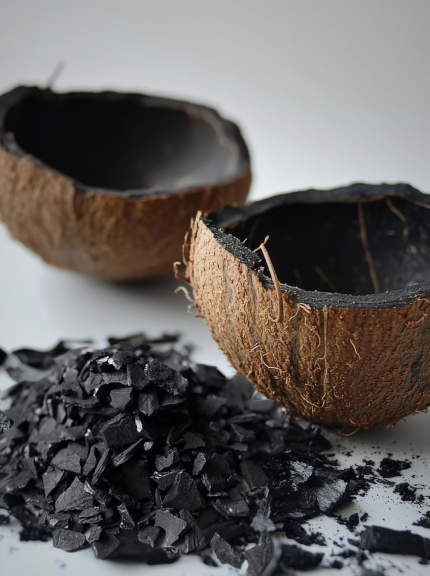
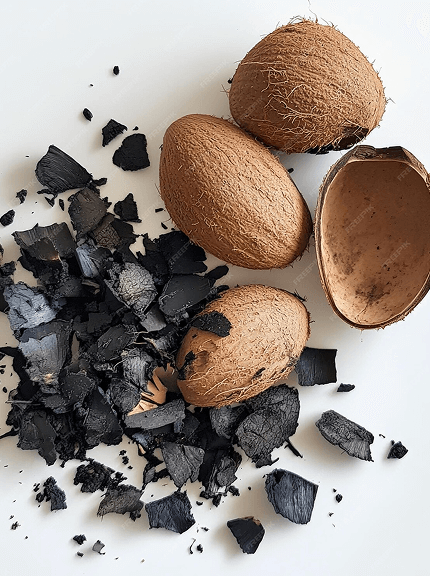
Activated carbon is a porous material made from carbon-rich materials like coal, wood, or coconut shells, and is used to filter toxins from air and water. Owing to its enormous surface area relative to its size and a sub microscopic porous network, it attracts compounds along its surface, through the process of adsorption. Coconut shell based activated carbon is exceptionally effective in gold and precious metal recovery due to its high abrasion resistance, and unique chemical characteristics
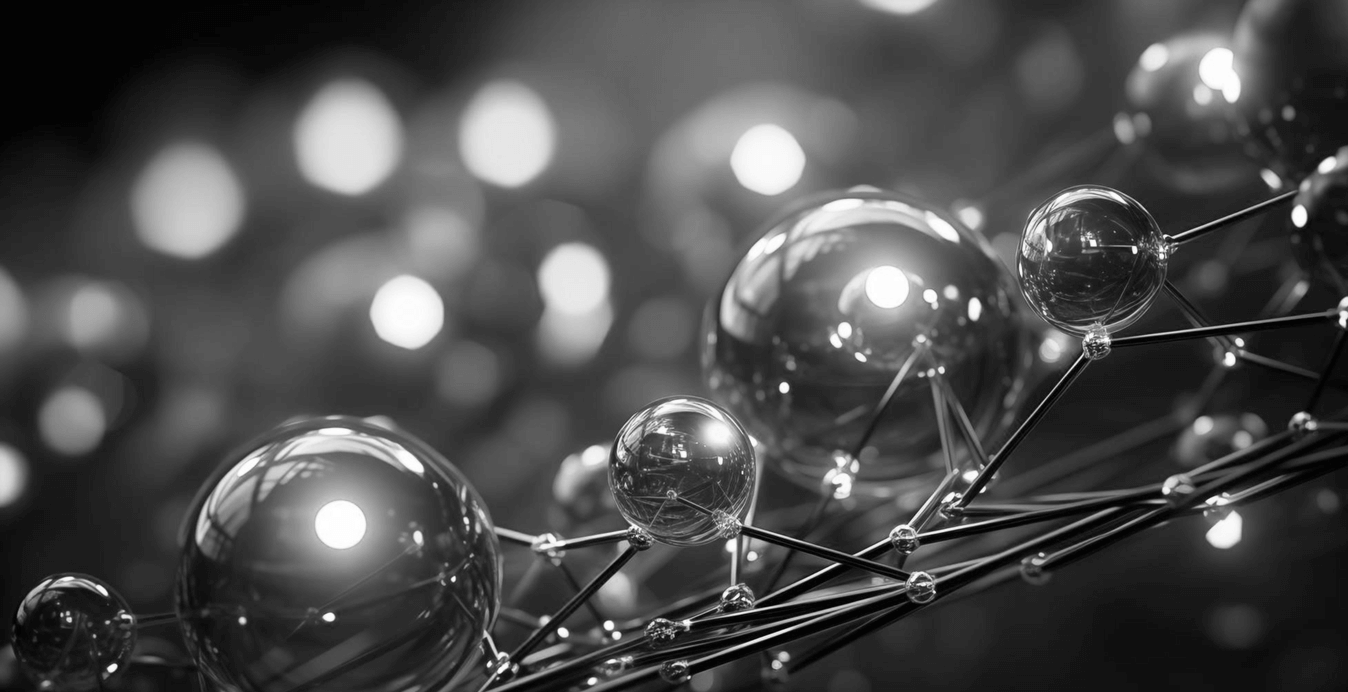
Diverse applications of activated carbon products
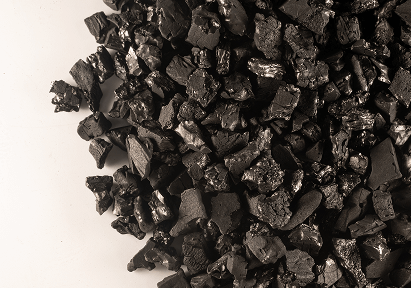
Granular Activated Carbon
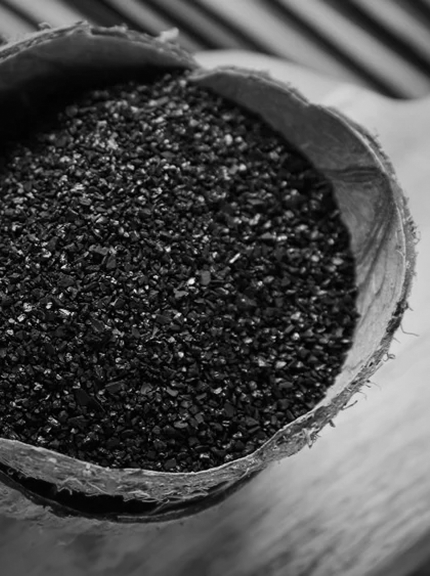
Granular Activated Carbon (GAC) is a highly effective adsorbent used in water and air purification processes. Composed of porous carbon particles, GAC provides a large surface area for adsorption, allowing it to trap and remove a wide range of contaminants, including organic compounds, chemicals, and odours.
At CG Carbon, we understand the vital role that GAC plays in ensuring clean and safe water and air, and we are committed to delivering high-quality GAC products to meet the diverse needs of our clients.
Key Features and Benefits
Granular Activated Carbon offers several key features and benefits:
- High Adsorption Capacity:
Efficient Adsorption: GAC efficiently adsorbs a wide range of contaminants, including chlorine, volatile organic compounds (VOCs), and disinfection by-products, ensuring clean and safe water and air. - Versatility:
GAC is versatile and can be used in various applications, including municipal water treatment, industrial processes, air purification, and environmental remediation. - Long-lasting Performance
GAC provides long-lasting performance and is cost-effective compared to other filtration methods. Its high adsorption capacity and durability make it an ideal choice for continuous operation in demanding environments.
Applications of GAC:
Granular Activated Carbon is widely used in the following applications:
- Swimming Pool Water Treatment:
GAC is used in swimming pool filtration systems to remove chlorine by-products, organic contaminants, and impurities, ensuring clean and clear water for recreational use. - Aquarium Filtration:
GAC is utilized in aquarium filtration systems to remove dissolved organic compounds, pollutants, and odours, creating a healthy and balanced aquatic environment for fish and other aquatic organisms - Beverage Production:
GAC is employed in beverage production processes, such as brewing and bottling, to remove taste and odour compounds, chlorine, and other contaminants from water used as an ingredient, resulting in high-quality and pure beverages. - Pharmaceutical Purification:
GAC is utilised in pharmaceutical manufacturing processes to purify water used for drug formulation, equipment cleaning, and quality control, ensuring compliance with strict regulatory standards and maintaining product integrity. - Groundwater Remediation:
GAC is applied in groundwater treatment systems to remove organic contaminants, pesticides, and industrial pollutants from underground aquifers, restoring groundwater quality and safeguarding public health. - Chemical Spill Cleanup:
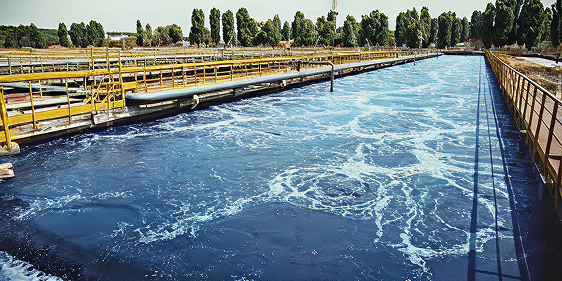
GAC is used in environmental cleanup efforts to adsorb and remove hazardous chemicals and pollutants from soil and water in the event of chemical spills or contamination incidents, mitigating environmental damage and protecting ecosystems. - Wastewater Treatment
GAC is incorporated into wastewater treatment plants to remove organic compounds, pharmaceutical residues, and industrial pollutants from wastewater streams, facilitating the purification process and producing treated effluent suitable for discharge or reuse.
Environmental Impact and Sustainability:
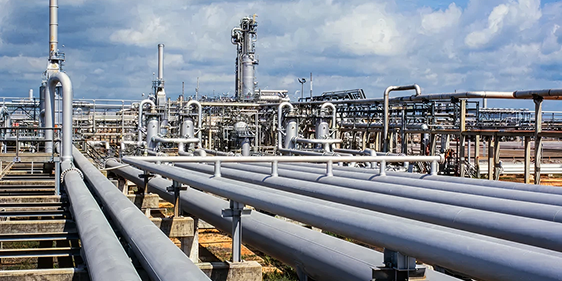
At CG Carbon, we are committed to minimising our environmental impact and promoting sustainability in all operations, including producing and using activated carbon for water treatment. Our commitment to sustainability is reflected in:
- Eco-friendly Materials:
CG Carbon uses sustainable raw materials such as coconut shells in the production of activated carbon products. - Waste Minimization:
Implementing strategies to reduce waste generation and optimise resource utilisation throughout our manufacturing processes. - Energy Efficiency:
Investing in energy-efficient technologies and practices to minimise carbon emissions associated with activated carbon production.
Quality Assurance and Certifications:

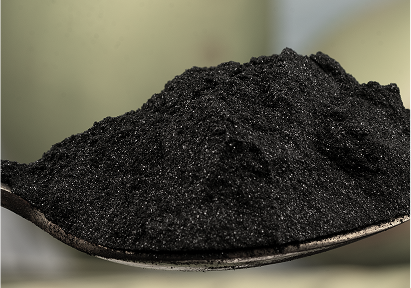
Powder Activated Carbon
Powdered Activated Carbon (PAC) is a finely ground form of activated carbon with a high surface area, commonly used for the adsorption of contaminants in water and air treatment applications. At CG Carbon, we recognise the importance of PAC in ensuring clean and safe water and air, and we’re committed to providing advanced PAC solutions tailored to meet the diverse needs of our clients.
Key Features and Benefits
Powdered Activated Carbon offers several key features and benefits:
- High Adsorption Capacity:
High Adsorption Capacity: PAC exhibits exceptional adsorption properties, efficiently removing organic compounds, chemicals, and odours from water and air streams - Versatility:
PAC is highly versatile and can be applied in various applications, including municipal water treatment, industrial processes, air purification, and environmental remediation. - Fast-Acting:
Due to its fine particle size, PAC has a rapid adsorption rate, providing quick and effective treatment of water and air streams. - Cost-Effective:
PAC is a cost-effective solution for contaminant removal, offering efficient performance and reducing the need for expensive treatment alternatives.
Applications of PAC:
Powdered Activated Carbon finds extensive use in various applications, including
- Beverage Production:
PAC is used in beverage production processes, such as brewing and soft drink manufacturing, to remove taste, odour, and colour compounds from water and ingredients, ensuring the quality and consistency of the final product. - Pharmaceutical Manufacturing:
PAC is employed in pharmaceutical manufacturing processes to purify water used for drug formulation, equipment cleaning, and quality control, meeting stringent regulatory standards and ensuring product safety and efficacy. - Gasoline Vapour Recovery:
PAC is utilised in gasoline vapour recovery systems at fuel stations and petroleum refineries to adsorb volatile organic compounds (VOCs) emitted during fueling operations, reducing air pollution and preventing harmful emissions. - Pharmaceutical Purification:
GAC is utilised in pharmaceutical manufacturing processes to purify water used for drug formulation, equipment cleaning, and quality control, ensuring compliance with strict regulatory standards and maintaining product integrity. - Mercury Removal:
PAC is used in mercury removal applications, such as flue gas treatment in coal-fired power plants and industrial boilers, to adsorb elemental and oxidised mercury compounds, reducing emissions and environmental contamination. - Mining Industry:
PAC is applied in the mining industry for the removal of cyanide and other toxic substances from wastewater generated during ore processing and metal extraction operations, mitigating environmental impact and ensuring regulatory compliance. - Decolourisation
PAC is used in the decolourisation of various liquids, including sugar syrups, edible oils, and pharmaceutical solutions, by adsorbing colour-causing impurities and contaminants, resulting in clear and visually appealing products. - Aquaculture:
PAC is employed in aquaculture systems to remove ammonia and other dissolved organic compounds from water, improving water quality and creating a healthy environment for fish and aquatic organisms. - Hazardous Waste Remediation:
PAC is utilised in the remediation of hazardous waste sites and contaminated soils to adsorb organic pollutants, heavy metals, and toxic chemicals, facilitating site cleanup and environmental restoration efforts. - Indoor Air Quality Improvement:
PAC is incorporated into HVAC (heating, ventilation, and air conditioning) systems and air purifiers to adsorb indoor air pollutants, such as formaldehyde, benzene, and toluene, enhancing indoor air quality and reducing health risks for occupants.
Environmental Impact and Sustainability:
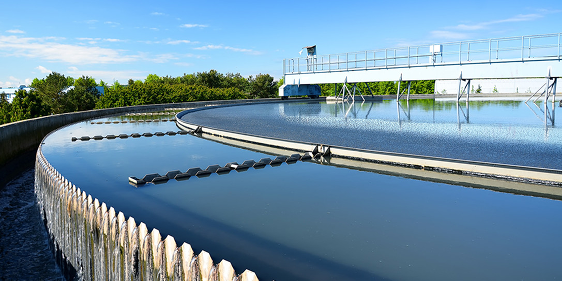
At CG Carbon, we are committed to minimising our environmental impact and promoting sustainability in all operations, including producing and using activated carbon for water treatment. Our commitment to sustainability is reflected in:
- Eco-friendly Materials:
CG Carbon uses sustainable raw materials such as coconut shells in the production of activated carbon products. - Waste Minimization:
Implementing strategies to reduce waste generation and optimise resource utilisation throughout our manufacturing processes. - Energy Efficiency:
Investing in energy-efficient technologies and practices to minimise carbon emissions associated with activated carbon production.
Quality Assurance and Certifications:
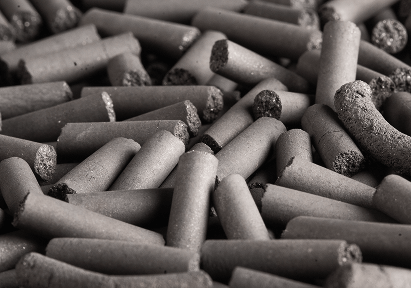
Pelletized Activated Carbon
Activated Carbon Pellets are highly effective adsorbents used in water and air purification processes. These pellets are made from high-quality activated carbon and are specifically designed to remove contaminants and impurities from water and air streams. At CG Carbon, we recognise the importance of Activated Carbon Pellets in ensuring clean and safe water and air, and we are committed to providing top-quality Pelletized Activated Carbon Solutions to meet the diverse needs of our customers.
Key Features and Benefits
Activated Carbon Pellets offer several key features and benefits:
- Exceptional Adsorption Capacity:
Activated Carbon Pellets have a high adsorption capacity, making them highly efficient at removing organic compounds, chemicals, and odours from water and air. - Uniform Size and Shape:
The pellets have a uniform size and shape, ensuring consistent performance and easy handling during application. - Versatility:
Activated Carbon Pellets are versatile and can be used in various applications, including municipal water treatment, industrial processes, air purification, and environmental remediation. - Rapid Adsorption:
Due to their optimised pore structure and surface area, Activated Carbon Pellets offer fast adsorption kinetics, allowing for quick and effective removal of contaminants.
Applications of PAC:
Activated Carbon Pellets find extensive use in a wide range of applications, including:
- Gasoline Vapour Recovery:
Activated Carbon Pellets are used in gasoline vapour recovery systems at fuel stations and petroleum refineries to adsorb volatile organic compounds (VOCs) emitted during fueling operations, reducing air pollution, and preventing harmful emissions. - Solvent Recovery:
Activated Carbon Pellets are utilized in solvent recovery systems in industries such as pharmaceuticals, paints, and coatings, to adsorb and recover organic solvents from process streams. This helps reduce solvent emissions and allows for the reuse of solvents, improving process efficiency and reducing waste. - Gas Purification:
Activated Carbon Pellets are used in gas purification processes to remove impurities such as sulfur compounds, hydrogen sulfide, and other contaminants from natural gas, biogas, and industrial gases. This helps meet quality specifications for gas distribution and processing applications. - Catalyst Support:
Activated Carbon Pellets serve as an excellent support material for catalysts used in chemical synthesis and industrial processes. The pellets provide a high surface area and pore volume, enhancing catalyst dispersion and catalytic activity, leading to improved process efficiency and product yields. - Hydrogen Storage:
Activated Carbon Pellets are used as adsorbents for hydrogen storage in fuel cell applications and hydrogen storage tanks. The pellets adsorb hydrogen molecules at high pressures and temperatures, providing a safe and efficient means of storing and transporting hydrogen for various applications. - Decolourisation
PAC is used in the decolourisation of various liquids, including sugar syrups, edible oils, and pharmaceutical solutions, by adsorbing colour-causing impurities and contaminants, resulting in clear and visually appealing products. - Food and Beverage Industry:
Activated Carbon Pellets are employed in the food and beverage industry for the purification and deodorisation of food and beverage products. They are used to remove off-flavours, colours, and odours from liquids such as fruit juices, alcoholic beverages, and edible oils, ensuring product quality and consumer satisfaction.
Environmental Impact and Sustainability:
At CG Carbon, we are committed to minimising our environmental impact and promoting sustainability in all operations, including producing and using activated carbon for water treatment. Our commitment to sustainability is reflected in:
- Eco-friendly Materials:
CG Carbon uses sustainable raw materials such as coconut shells in the production of activated carbon products. - Waste Minimization:
Implementing strategies to reduce waste generation and optimise resource utilisation throughout our manufacturing processes. - Energy Efficiency:
Investing in energy-efficient technologies and practices to minimise carbon emissions associated with activated carbon production.
Quality Assurance and Certifications:
Uses and Benefits
Benefits of Using Coconut Charcoal
Coconut charcoal is often regarded as a better alternative than traditional wood or coal-based charcoal due to its superior performance, eco-friendliness, and health benefits. Compared to other biomass materials, coconut shells contain fewer harmful compounds, making them a safer option. Its high carbon content and density enables longer burn time and higher heat output compared to regular charcoal. Coconut shell charcoal is often preferred as the pyrolysis process used in making activated carbon removes harmful byproducts.

Detoxification support

As a cleansing agent

Aid against bloating
Sustainability at CG Carbon : Commitment to greener future, safer products

At CG Carbon, sustainability is at the core of everything we do. From eco-friendly raw material sourcing, carbon-neutral production process to zero-waste approach, water conservation efforts, and reducing carbon footprint with local sourcing, we go all the way to ensure environmental conservation.
Unlike other traditional activated carbon, like wood and coal, our source is coconut shell, a renewable resource, eliminating deforestation and reducing reliance on non-renewable resources. Coconut shells, an agricultural byproduct that otherwise is treated as waste is transformed into activated carbon with the proper treatment
Still have questions?
Contact us with any questions or inquiries about our products and services.